A full overlay or mill-and-repave for a driveway that's past what sealcoating and crack repair can fix, without paying for a full base rebuild you don't need.
Resurfacing places a new layer of asphalt over an existing driveway, either as a direct overlay on a base that's still sound or as a mill-and-repave where the top layer is ground off first so the new asphalt sits flush with the garage slab and drainage grades. It's the middle option between crack repair and a full tear-out: more than a patch, less than starting over from bare dirt.
This is the most common repair we get calls for on Summerlin's original 1990s tracts, villages like The Trails, The Hills, The Arbors, and The Pines that have had over 30 years to age. A residential asphalt driveway generally has a useful life in the range of 15-25 years depending on base quality and maintenance history, and a lot of driveways from that first wave of construction are now well into or past that window. If the base is still solid and drainage is working, resurfacing gets you a like-new surface without the cost of full excavation and base rebuild that a bare-dirt install requires.
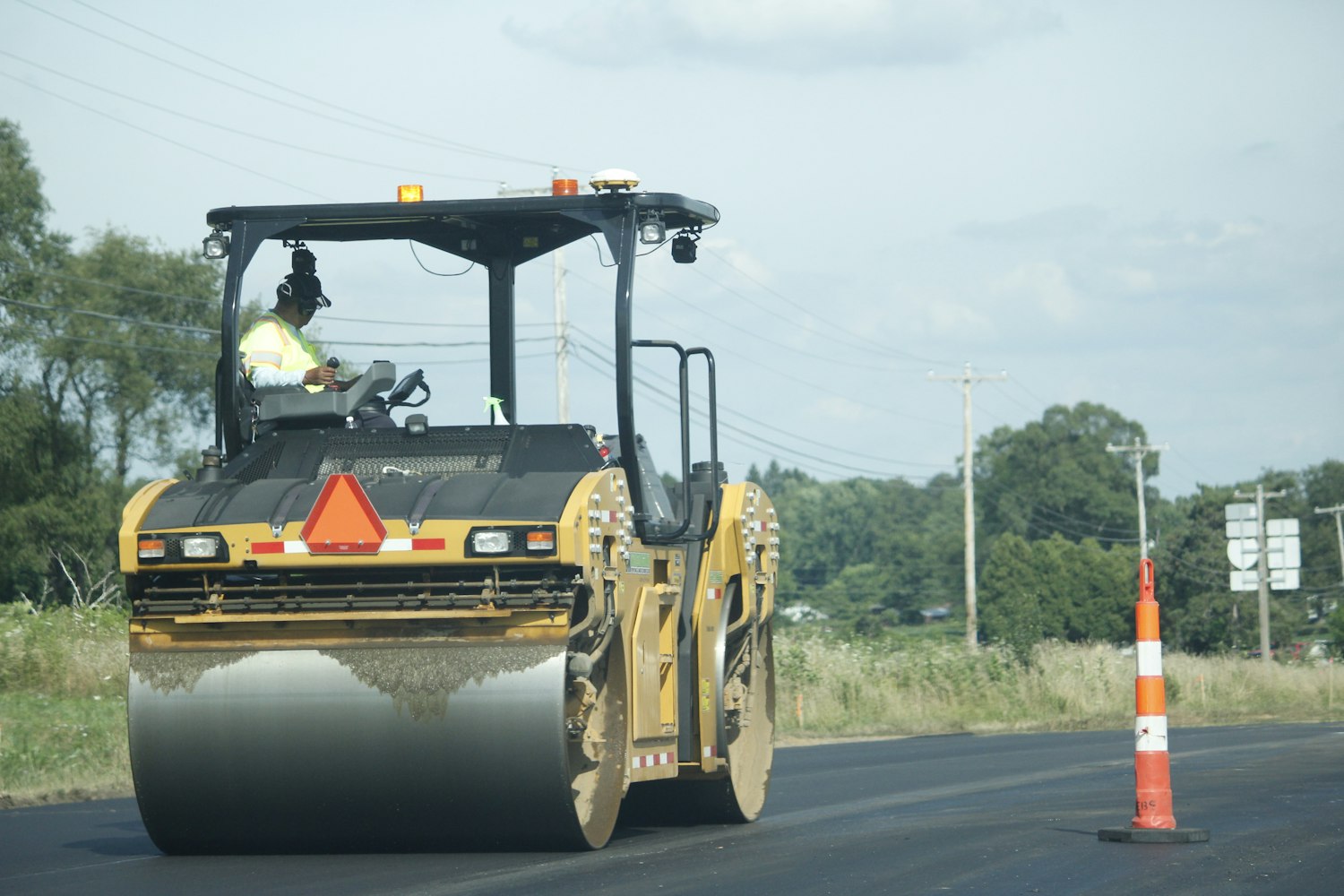
We check whether the existing base is sound enough for a direct overlay or whether milling is needed first, this is the call that determines your price range.
Square footage, overlay vs. mill-and-repave, and a flat price in writing before any equipment shows up.
The existing surface is ground down to the right depth so the new asphalt matches garage slab height and doesn't create a lip at the transition.
New hot mix asphalt placed and compacted at the correct lift thickness, with grading checked so runoff still sheds away from the garage and toward the street or yard drainage.
A walkthrough on cure time and traffic timing before you park a vehicle on the new surface.
Resurfacing typically runs $3-6 per square foot for a direct overlay on a sound base, closer to $5-8 per square foot when milling is required first. Both come in under a full tear-out and new base install, which is why we check base condition first rather than defaulting to the more expensive option.
Get my flat written quoteIf cracking is isolated and the surface between cracks is still solid, crack repair and sealing is the right call. Once you're seeing widespread alligator cracking, multiple potholes, or failed patches across a large area, that usually means the surface layer is past what spot repair can fix, and resurfacing is the more cost-effective option than repeated patching.
A residential asphalt driveway generally lasts 15-25 years depending on base quality and how well it's been maintained. A lot of Summerlin's original 1990s-era villages are now in or past that range, which is why resurfacing calls in those neighborhoods have picked up.
Sometimes, if the existing base is sound and adding a new layer on top won't create a problem at the garage transition or affect drainage. We check this during the estimate rather than assuming either way, since guessing wrong means a redo.
It can, if the pooling is from surface wear rather than a grading problem in the base itself. We check current drainage during the estimate and can adjust grade slightly during resurfacing where the base allows for it.
A properly done overlay or mill-and-repave on a sound base should perform similarly to a new installation, generally in the 15-25 year range with normal sealcoating maintenance on a 2-3 year cycle.
Same business day, Mon-Fri.